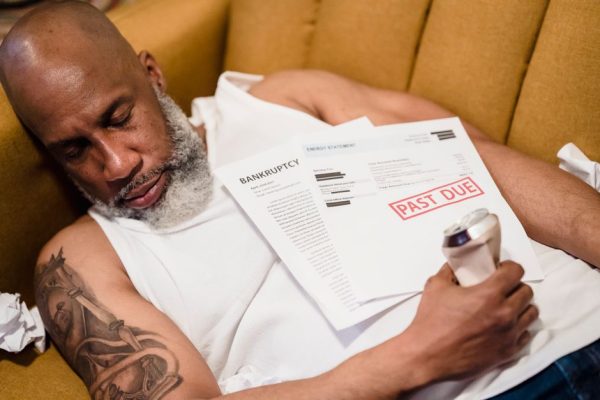
Debt consolidation can cause a small credit-score dip before it helps, but the first-year result depends more on payment history, card balances, and what you do after the loan closes. The safest plan is to track each reporting change instead of judging the strategy from one score update.
Does debt consolidation lower your credit score at first?
Yes, a short-term drop is normal. A consolidation loan usually creates a hard inquiry and a new account. Those changes can reduce a FICO Score or VantageScore for a while, even when the loan lowers your interest cost and pays off several cards. The score change is not a verdict on whether consolidation was financially sound.
What changes when you apply
A lender may pull one or more credit reports, creating a hard inquiry. FICO says one inquiry often has a minor effect, commonly less than five points, but the impact varies by credit profile. A new installment account can also reduce the average age of your accounts. People with short credit histories often feel this change more than people with decades of established accounts.
What changes after the loan pays cards
Suppose three cards have combined limits of $12,000 and balances of $9,000. Your revolving utilization is 75%. If the consolidation loan pays those balances and the card issuers report zero balances, that ratio can fall sharply. The new personal loan does not count as revolving utilization, so the score may recover after the lower card balances appear.
What the first-year pattern can look like
| Time period | Possible credit change | Main factor to watch |
|---|---|---|
| Application week | Small temporary decrease | Hard inquiry and new account |
| Month 1 to 3 | Mixed movement | Card payoff reporting and new payment |
| Month 4 to 6 | Stabilization or improvement | On-time installment payments |
| Month 7 to 12 | Gradual recovery for many borrowers | Payment history and low card balances |
The figures are a timeline, not a promise. Credit bureaus update on different schedules, and scoring models weigh the same report in different ways.
What happens to your credit score during months 1 to 3?

The early verdict
Expect the first three months to look messy rather than clearly positive. The application inquiry and new loan may appear before the paid-off cards report their lower balances, creating a temporary low point. Once the card issuers report the payoff, the utilization benefit may outweigh the new-account effect, especially if your previous balances were close to their limits.
The action that matters most
Make the first loan payment early enough to avoid a processing problem, then keep every paid-off card at zero or near zero. Do not apply for several credit cards, auto loans, or store accounts during this window. Checking your own reports at AnnualCreditReport.com is a soft inquiry and does not lower your score. The strongest first-quarter strategy is simple: one new account, no missed payments, and no return to card debt.
How payment history and utilization shape months 4 to 12
The middle and later parts of the first year reveal whether consolidation solved a debt problem or only moved it. Credit scoring models do not reward the word consolidation. They respond to reported behavior: whether payments arrive on time, how much revolving credit you use, how recently you opened accounts, and how long your accounts have been active.
Payment history beats a temporary inquiry
A single hard inquiry is usually less damaging than a late payment. A payment reported 30 or more days late can remain on consumer credit reports for years and can affect approval decisions well beyond the first year. Set the loan payment on autopay from an account with a cash buffer. Then check that the lender actually reports the account as current. Autopay prevents forgetfulness, but it does not protect you from an empty checking account, a changed payment date, or a failed bank transfer.
Utilization can improve, then return
Paying off credit cards can lower revolving utilization, but the benefit disappears if new charges rebuild the balances. For example, a $6,000 balance on a $10,000 limit equals 60% utilization. A paid balance creates a much healthier report, but charging $4,000 again produces 40% utilization even if the consolidation loan remains current. Keep one small recurring charge on an open card, pay it in full, and avoid using a paid-off card as an emergency budget.
Account closure creates a tradeoff
Closing cards can reduce available credit and raise utilization if any balance remains elsewhere. It can also remove an available backup that tempts new spending. There is no universal rule to close every card or keep every card open. The strongest choice for most borrowers is to keep older no-fee cards open, remove them from daily spending, and ask the issuer about fees before deciding. CFPB guidance warns that consolidation does not fix overspending by itself; the monthly cash-flow problem must change too.
Compare the score shown by your lender with the score in a consumer app carefully. FICO Score 8, FICO Score 9, and VantageScore 4.0 can produce different numbers from the same report. A 20-point difference between apps does not automatically mean a reporting error.
How to protect your credit during debt consolidation

Use this checklist during the first year. It targets the mistakes that cause the biggest setbacks.
- Pull all three reports before applying. Review balances, late payments, collection accounts, and personal information. Use the official free report source, and dispute errors before borrowing when an error could change your rate.
- Calculate the total cost, not only the new payment. Add origination fees, interest, optional insurance, and the full repayment period. A lower monthly payment can still cost more when the term stretches from three years to five.
- Ask how the lender handles the funds. Some lenders send money to you, while others pay creditors directly. If you receive the money, confirm each card shows the intended payment and save the confirmation numbers.
- Keep paying old accounts until the payoff posts. A loan approval is not proof that a card balance has been cleared. A missed payment during the transfer can create a serious credit problem.
- Set a card-use rule before closing the loan. Choose a fixed monthly amount, remove saved card details from shopping accounts, and direct the old debt payment amount toward savings once the loan payment begins.
- Review reports at months three, six, and twelve. Confirm the new loan is current, paid cards show accurate balances, and no duplicate or unauthorized account appeared.
Rate shopping also needs discipline. The CFPB says scoring models may group inquiries for the same kind of credit within a short window, but the exact window varies and is not a blanket shield for applying everywhere. Ask lenders whether a prequalification check is soft and when a hard inquiry occurs.
Debt consolidation credit score questions answered

How many points will debt consolidation lower my score?
There is no reliable fixed number. A hard inquiry may cause a small decline, while the new account can affect account age and credit mix. Paying down high card balances may later help much more than the inquiry hurts. A borrower with low utilization may see little benefit from consolidation, while a borrower using nearly every available card limit may see a larger rebound after the balances report as paid.
How long does it take for credit to improve after consolidation?
Allow at least one or two reporting cycles for creditors to show the new balances, then judge the trend over six to twelve months. The first score you see may reflect the inquiry but not the payoff. Improvement is more likely when every loan payment is on time, paid cards remain low, and no new accounts are opened rapidly.
Should I close credit cards after paying them off?
Do not close every card automatically. Closing an old card can reduce available credit and raise utilization, but keeping several cards active can make relapse easier. Keep older no-fee accounts open only when you can control them, remove them from routine spending, and monitor statements for unauthorized charges. For a card with an annual fee, compare the fee with the account’s age and available limit before closing it.
For most readers, the best first-year plan is to consolidate only when the full cost is lower and the budget supports the payment, keep paid cards from accumulating new balances, and check all three reports at months three, six, and twelve. That approach gives the credit-score benefit time to appear while protecting the payment history that matters most.